Understanding Dog Body Language: A Visual Guide
Dogs communicate primarily through body language, using a combination of postures, movements, and facial expressions to convey their emotional state and intentions. For pet owners, learning to interpret these signals is essential for building a strong bond and ensuring the well-being of their canine companions. This guide provides an overview of key aspects of canine body language, focusing on tail wagging, ear positions, and eye contact. By understanding these visual cues, you can respond more effectively to your dog’s needs and avoid potential misunderstandings.
It is important to note that a single signal should not be interpreted in isolation. Dogs express themselves through a complex interplay of body parts, and the context of the situation plays a crucial role in accurate interpretation. Factors such as the environment, the presence of other animals, and the dog’s overall posture all contribute to the meaning of a specific behavior. Therefore, this guide aims to provide a foundational understanding that will help you observe and analyze your dog’s communication more holistically.
Decoding Tail Wagging
The tail is often the most noticeable part of a dog’s body language, and many people assume that a wagging tail always indicates happiness. However, tail wagging is a nuanced form of communication that can express a range of emotions, from excitement and contentment to anxiety and agitation. The speed, direction, and height of the wag all provide valuable information about the dog’s state of mind.
A high, fast wag with stiff movements often signals arousal or excitement, which may be positive or negative depending on the situation. For instance, a dog encountering a familiar person may wag its tail enthusiastically with a relaxed body, indicating joy. Conversely, a stiff, high wag combined with a tense posture could indicate alertness or potential aggression. In contrast, a low, slow wag may indicate uncertainty or submission. A tucked tail, often accompanied by a crouched posture, signals fear or stress. Additionally, research suggests that the direction of the wag may have meaning: a wag more to the right often indicates positive emotions, while a wag to the left may be associated with negative feelings. Observing the tail in conjunction with the rest of the body is crucial.
Interpreting Ear Positions
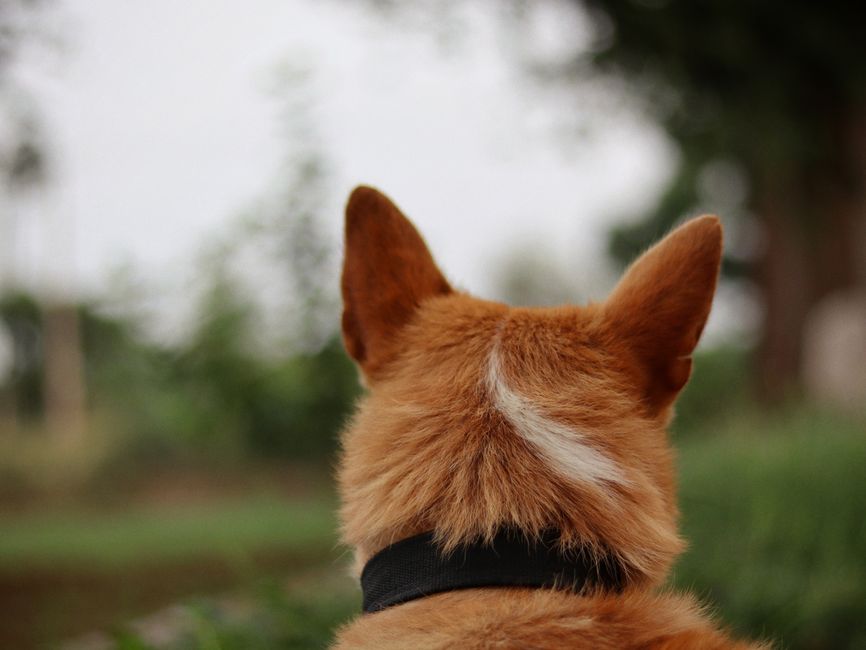
Dogs have a remarkable range of ear movements, and their positions can reveal much about their emotional state. The shape and size of a dog’s ears influence how these signals appear, but certain general patterns are consistent across breeds. Ears that are pricked forward and slightly outward often indicate that the dog is attentive and interested in something. This is a neutral or positive signal, showing that the dog is engaged with its environment.
Conversely, ears that are flattened against the head can indicate fear, anxiety, or submission. This is a defensive posture that dogs use to protect their ears from potential damage during a fight or to signal that they are not a threat. Ears that are held back but not completely flat might suggest uncertainty or a tentative approach to a situation. Some dogs also have the ability to move each ear independently, allowing them to gather information from different directions. Understanding your dog’s typical ear position and how it changes in different situations is key to recognizing subtle shifts in mood.
Understanding Eye Contact and Gaze
Eye contact is a powerful form of communication for dogs, and it carries different meanings depending on the context and the softness of the gaze. A relaxed, soft gaze with the eyes slightly squinted often indicates contentment and trust. When a dog looks at you with this expression, it is generally a sign of a positive bond. In contrast, a hard, direct stare with a rigid body can be a sign of aggression or challenge. Dogs may use this intense gaze to assert dominance or warn an intruder.
Another important eye-related signal is the whale eye, where the dog turns its head away but keeps its eyes on an object or person, showing the whites of the eyes. This indicates anxiety or discomfort. Additionally, a dog that avoids eye contact altogether may be showing submission or fear. Prolonged direct eye contact can be intimidating for some dogs, especially if they are not familiar with you. By observing how your dog uses its eyes in various situations, you can better gauge its comfort level and respond appropriately.
Reading the Whole Dog
While tail wagging, ear positions, and eye contact are significant signals, they should always be interpreted in the context of the dog’s entire body posture and the situation. For example, a dog that is wagging its tail but has its ears back and is yawning might be experiencing stress rather than happiness. Similarly, a dog that is staring intensely with a stiff body and a raised tail could be preparing to react defensively. The combination of these signals provides a more accurate picture of the dog’s emotional state.
Behavioral studies show that dogs rely on a combination of visual, auditory, and olfactory cues to communicate. When you observe your dog, note the overall posture: is the body relaxed or tense? Are the muscles in the face soft or taut? What is the dog’s weight distribution? A dog that is leaning forward with a wagging tail is likely excited, while a dog that is leaning away and tucking its tail is likely fearful. By practicing holistic observation, you can improve your ability to understand your dog’s needs and avoid potential conflicts.
Common Misunderstandings
Many well-intentioned pet owners misinterpret certain signals, leading to confusion or unintended consequences. One common misconception is that a wagging tail always means a dog is friendly. In reality, a wagging tail can also indicate arousal, which may be a precursor to aggression. It is essential to look at the whole body to determine whether the wag is relaxed or rigid. Another misunderstanding is that a dog showing its belly is always asking for a belly rub. While this can be an invitation for affection, it can also be a submissive or appeasement gesture in a stressful situation, especially if the dog’s body is tense and its tail is tucked.
Similarly, some owners mistake a dog’s yawning and lip licking for signs of tiredness or hunger, but these behaviors are often stress signals. By recognizing these subtle cues, you can better support your dog during unfamiliar or stressful events, such as visits to the veterinarian or encounters with new people. Education is the first step toward creating a safe and trusting relationship with your canine companion.
Practical Tips for Observation
To improve your understanding of your dog’s body language, it is helpful to observe them in various situations and note the changes in their signals. Spend time watching your dog during play, when they are resting, and when they encounter new stimuli. Keep a mental or written log of the postures and expressions you observe. Over time, you will become more attuned to your dog’s unique communication style.
It is also advisable to consider the individual personality and breed characteristics of your dog. Some breeds have naturally erect ears, while others have floppy ears, which can affect how ear positions are perceived. Similarly, a tail carried at a certain height may be normal for one breed but a sign of arousal in another. Always take into account your dog’s baseline behavior and the context of the situation. If you are ever unsure about a signal, err on the side of caution and give your dog space, especially if they appear tense or frightened.
Remember: A thorough understanding of your dog’s body language is not about decoding secret messages but about recognizing patterns and respecting the signals your dog is sending. This awareness fosters a more empathetic and responsive relationship.
In conclusion, understanding your dog’s body language is a journey that requires patience and careful observation. By paying attention to tail wagging, ear positions, and eye contact, as well as the overall posture, you can gain valuable insights into your dog’s emotional state and needs. This knowledge not only enhances your bond but also contributes to the safety and well-being of both you and your dog. As you continue to learn and observe, you will find that your ability to communicate with your dog improves, leading to a more harmonious coexistence.